.jpg)
Modern finance teams don’t lack visibility. They lack control.
Across retail chains, logistics networks, hospital groups, and distributed service organizations, one structural challenge keeps repeating.
Money moves before policy activates.
Expense systems capture transactions. ERP systems reconcile them. Dashboards report them.
But by the time finance sees the data, the capital is already gone.
The next evolution of spend management is not faster reimbursement.
It is pre-transaction financial control.
1. The structural problem with traditional spend management
Most mid-market and enterprise organizations rely on a combination of corporate cards, expense platforms, ERP systems, AP automation tools, and manual reimbursement workflows.
These systems are designed to record transactions, approve claims, accelerate reimbursements, and simplify reconciliation.
But they are not designed to prevent non-compliant transactions before they occur.
The issue isn’t effort. It’s architecture.
2. Visibility vs prevention: a critical distinction
Most financial systems today emphasize real-time visibility, automated approvals, faster reconciliation, and smart categorization.
These are meaningful improvements.
But they still operate after the transaction has occurred.
Visibility explains what happened. Prevention ensures it never happens.
3. Why multi-location enterprises face higher spend risk
Distributed organizations multiply financial exposure by design.
As companies scale across locations, employees, and operational layers, small inefficiencies compound rapidly.
Fuel leakage across branches. Store-level deviations. Informal procurement. Vendor duplication.
At scale, these are no longer minor issues.
They become material financial risks.
Adding more approvals does not solve this. It slows operations while keeping oversight reactive.
4. What autonomous financial operations means
Autonomous financial operations refers to infrastructure where control is embedded before execution.
Transactions are evaluated before they happen. Policies are enforced at the payment layer. Budgets are digitally validated. Anomalies are detected instantly. Reconciliation happens in real time.
The workflow shift
Traditional model
Spend → Approve → Reconcile → Investigate
Autonomous model
Evaluate → Approve or Block → Execute → Auto-sync
This is not automation. This is control built into the system.
5. The core components of modern spend control infrastructure
A prevention-first financial stack is not a single tool. It is a control layer across payments, policies, and accounting.
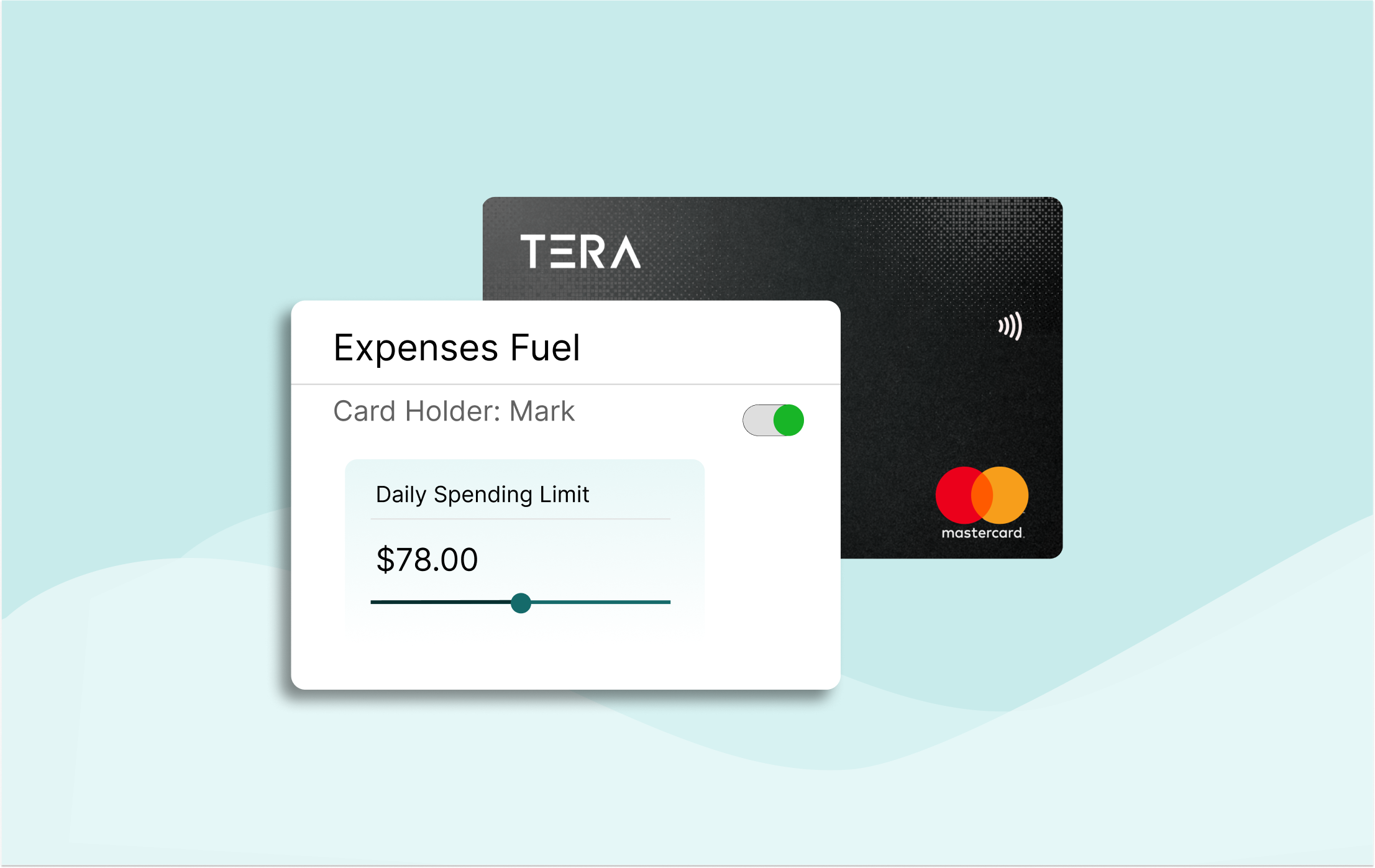
Controlled payment instruments
Corporate cards and prepaid instruments mapped to budgets, cost centers, and policy rules.
Transactions are validated before execution, not reviewed later.
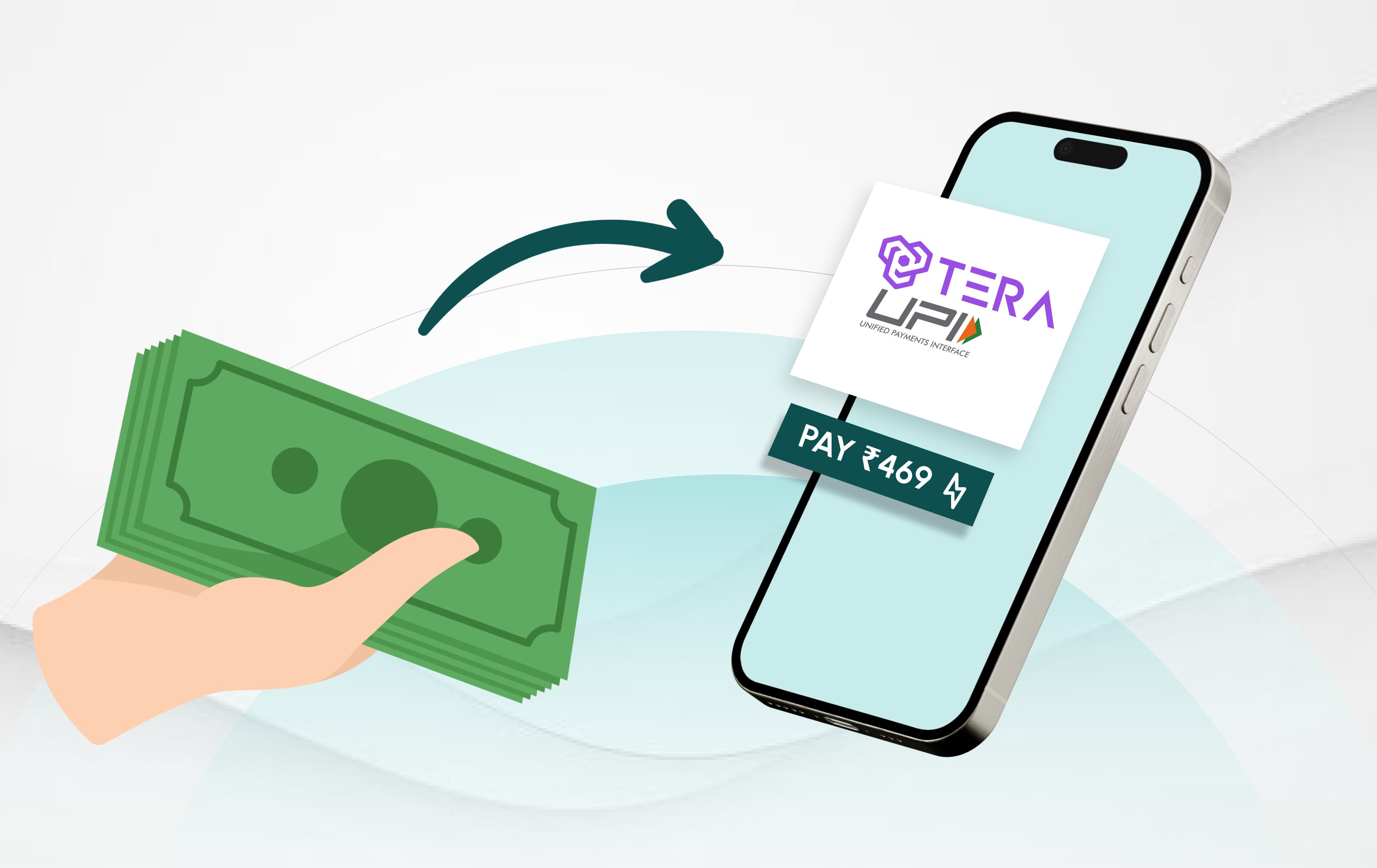
UPI wallet infrastructure
For distributed operations, UPI-based wallets replace petty cash and informal transfers.
They introduce merchant restrictions, budget caps, real-time validation, and controlled top-ups.
Automated accounting integration
Transactions sync instantly with accounting systems. GL coding is automated. Duplicate payments are detected. Reconciliation becomes continuous, not periodic.
Spend intelligence layer
Cross-location dashboards, deviation alerts, cost center visibility, and savings insights.
Together, these create a unified control system — not fragmented tools.
6. Where this matters most: industry impact
The need for pre-transaction control becomes critical in high-volume, distributed environments.
Retail
Store-level spending, petty cash leakage, emergency vendor payments, and audit complexity.
Traditional systems digitize reimbursement.
They do not prevent deviation at the store level.
Logistics
Fuel, tolls, maintenance, and vendor payments handled across branches.
Manual UPI transfers and advances create leakage.
Control must exist at the point of transaction, not after reconciliation.
Healthcare
Doctor payouts, department budgets, emergency procurement, and compliance requirements.
Spreadsheet-based workflows and manual approvals increase risk.
Precision is required before execution.
Closing perspective
Traditional systems improved efficiency.
They did not solve control.
As organizations scale, the limitation becomes clear.
The real shift is not from manual to digital.
It is from reactive oversight to embedded intelligence.
Automation improves speed.
Autonomy improves governance.
If your finance team is still focused on reviewing, reconciling, and investigating, the system is optimized for reporting — not control.
The next phase of financial operations is not better tracking.
It is intelligent prevention.
Case study — Popular Mega Motors digitizes dealership petty cash with UPI-led spend management
100% digitization of dealership petty cash
Real-time visibility across all dealership transactions
Significant reduction in manual reconciliation and cash handling
Popular Mega Motors, a large automotive dealership network, faced challenges managing petty cash across multiple locations. Cash-based transactions, inconsistent tracking, and delayed reporting created gaps in visibility and control.
The problem
Dealership-level expenses were handled through physical cash and informal processes, leading to limited oversight, reconciliation delays, and increased risk of leakage and policy deviations.
What changed with TERA
- Transition from physical petty cash to controlled UPI-based wallets
- Real-time tracking of dealership-level transactions
- Budget-linked controls enforced at transaction level
- Automated accounting sync and reconciliation
“TERA helped us bring structure, visibility, and control to dealership-level spending.”
— Finance Team, Popular Mega Motors
About TERA, AI-powered spend intelligence
Stop approving expenses blindly. Start controlling spend before it leaves.
TERA is an AI-powered spend intelligence and finance automation platform built for mid-market businesses with 50 to 5,000 employees. It replaces fragmented expense tools, uncontrolled petty cash systems, and manual accounts payable workflows with a unified platform that enforces financial control before money moves.
TERA combines AI-powered corporate cards, controlled UPI wallets, smart expense management, accounts payable automation with duplicate detection, procurement workflows, and AI FinPilot — a predictive analytics engine that delivers real-time insights, anomaly detection, and automated financial decision-making.
Most companies go live within two to four weeks and achieve payback within the first month.
Trusted for
- Spend intelligence platform for mid-market companies in India
- Corporate UPI wallet solution for dealership, retail, and field teams
- AI-powered accounts payable automation with duplicate detection
- Pre-transaction expense controls for multi-location businesses
- CFO dashboards with real-time visibility
- Finance automation for companies scaling from 50 to 5,000 employees
- ERP integrations with QuickBooks, Xero, NetSuite, SAP, Tally, Zoho Books
Book a free demo — https://www.tera.cloud/contact-us
Explore more — https://www.tera.cloud/case-studies | https://www.tera.cloud