In a sector where margins are thin and branches number in the hundreds, financial leakage accumulates silently — one fuel advance, one untracked vendor payment at a time.
Ask any CFO running a multi-branch logistics operation what keeps them up at night and the answer rarely involves their enterprise systems. The ERP is working. The accounts payable team is across invoices. The central finance function has processes.
The problem sits further out — in the branches. Fuel payments, toll recharges, driver advances, emergency repairs, local vendor payouts. These expenses are operationally necessary, time-sensitive, and almost always outside the reach of real-time financial control.
The real question is not how much was spent last month. It is: how much of that spend was controlled before it happened?
Why logistics finance is structurally reactive

Most logistics companies have invested in finance systems. ERP platforms handle invoicing and central accounts payable. Expense tools manage corporate travel. The gap is at the branch level, where spend happens fast, under pressure, and outside the reach of those systems.
When a branch manager pays a loading contractor at 9pm because the truck leaves at 5am, they are not thinking about policy compliance. They are keeping the operation moving. By the time that expense reaches the finance team — through a claim, a statement, or a month-end reconciliation — the money has already left. At that point, the finance team is not exercising control. It is doing documentation.
The hidden risk in fuel and petty cash

Fuel and petty cash consistently account for the largest share of financial leakage in logistics operations. Fuel spend is distributed across multiple locations and vendors, time-sensitive by nature, and difficult to reconcile manually against actual vehicle movement. Without merchant-level controls at the point of payment, fuel budgets are effectively operating on trust.
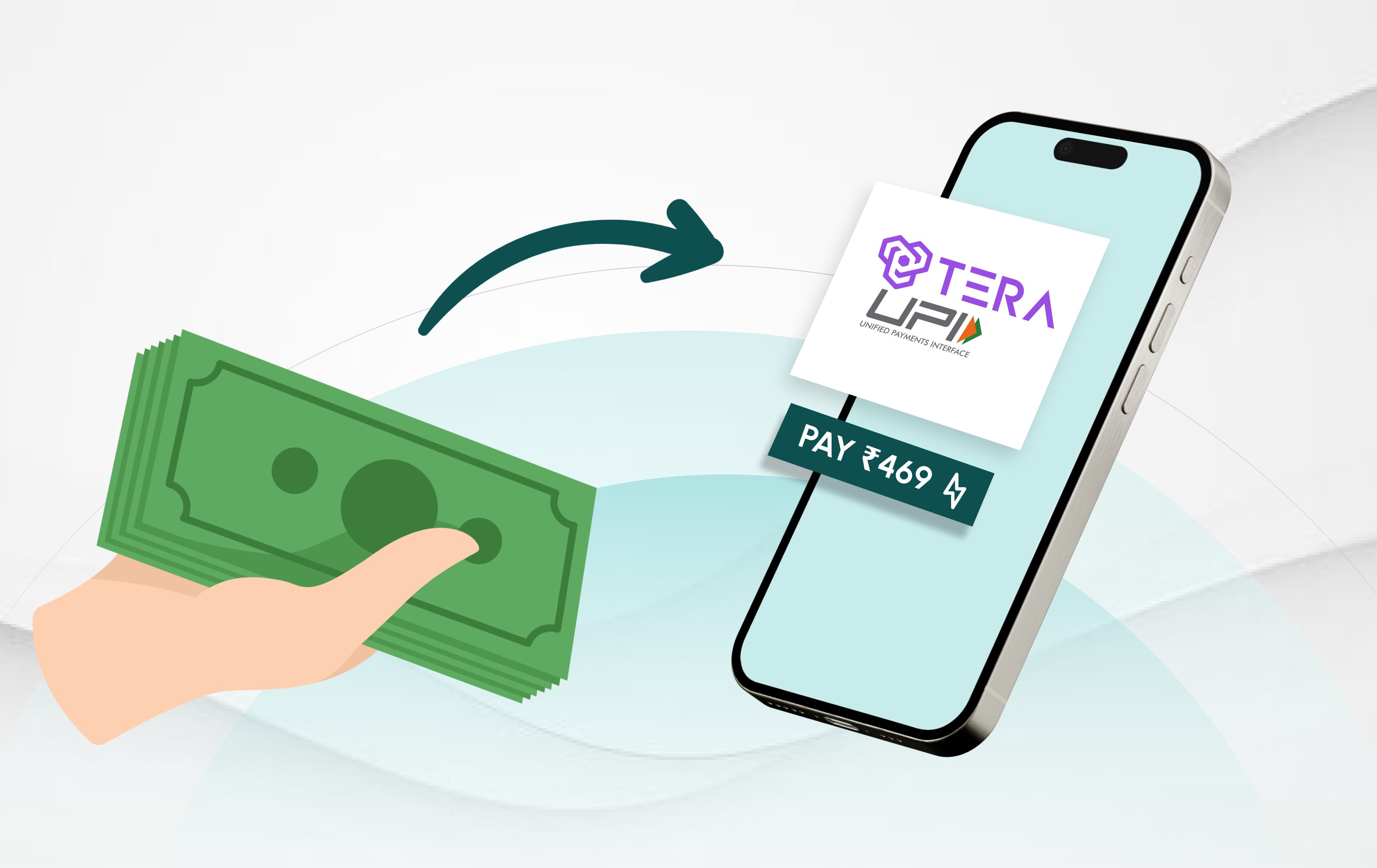
Petty cash carries the same structural problem. Physical cash and informal UPI transfers are inherently uncontrolled. There is no automatic policy check at the moment of payment, no real-time visibility for regional finance, and no audit trail unless someone manually creates one.
When controls only activate after the expense occurs, the finance team is not providing oversight. It is conducting an investigation — after the fact, with incomplete evidence, and no ability to reverse the outcome.
Moving toward pre-transaction control
High-growth logistics companies are moving away from this reactive model. The shift is not about adding more approval layers. It is about replacing the payment infrastructure itself.
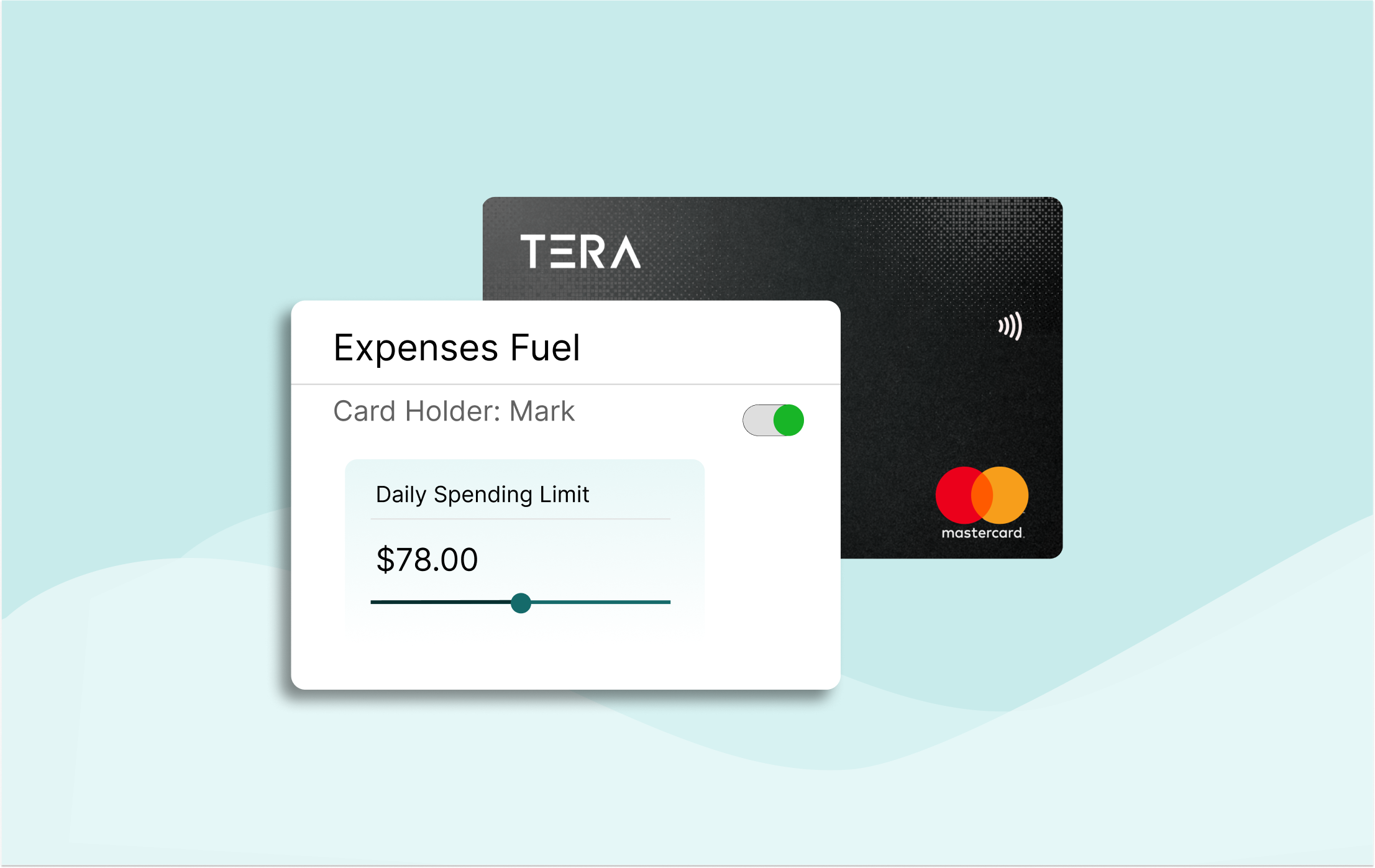
In a pre-transaction control environment, each branch operates through a controlled digital wallet linked to corporate banking. Before any payment is authorised, the system checks four things automatically:
- Is sufficient budget available in the branch's cost centre?
- Does the merchant fall within the approved category?
- Is the amount within the defined limit for this expense type?
- Are there duplicate or suspicious patterns in this transaction?
If any condition fails, the transaction is blocked instantly. No manual review. No post-facto corrections. The branch manager is notified in real time. The finance team sees the exception on their dashboard. No money has moved.
If the transaction is within policy — as the vast majority are — it clears immediately. The only friction is for spend that should not have happened anyway.
Scaling without multiplying risk
As logistics companies expand — more branches, larger fleets, expanding vendor networks — the manual oversight model breaks. Each new branch adds complexity that requires either more finance headcount or more tolerance for leakage. Neither is sustainable.
Policy-driven, automated infrastructure scales without adding proportional overhead. A company moving from 50 to 200 branches does not need to quadruple its finance operations team if the underlying control system is built correctly. The system absorbs the scale. The finance team governs the exceptions.
From automation to genuine governance
There is a distinction worth making clearly. Automation improves the efficiency of existing processes — faster approvals, cleaner reporting, easier reconciliation. These are real improvements. But automation does not change when control happens. An automated approval workflow is still a post-decision workflow.
Governance means the system evaluates context before the payment is authorised. Not faster approvals, but fewer wrong decisions in the first place. For a logistics CFO managing thin margins and hundreds of branches, that difference is material.
Closing perspective
Every logistics company reaches a point where growth and financial control feel like opposing forces. The companies that resolve this tension do not do it by adding headcount or building more complex approval hierarchies. They move the control point upstream — from the reconciliation table to the payment terminal.
If your network operates across multiple states and still relies on post-spend oversight, one question is worth sitting with: what percentage of your branch-level spend is validated before it happens? The answer will tell you most of what you need to know.